Published at 26 January, 2026 15:35.
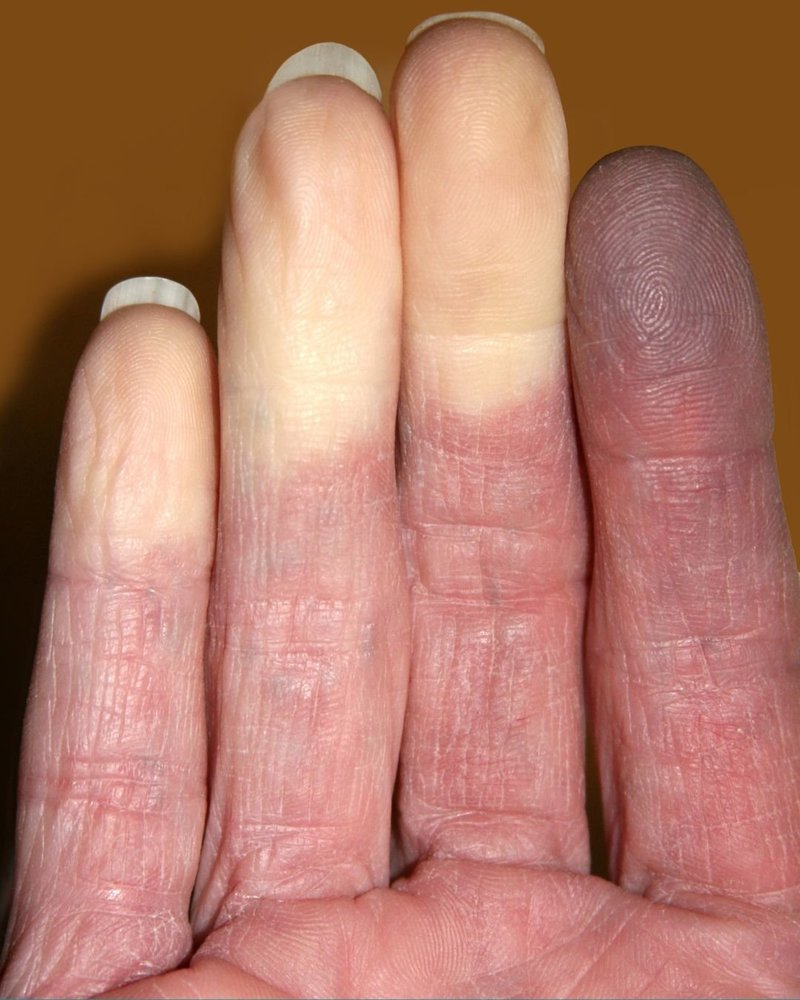
February is Raynaud’s awareness month. Raynaud’s Awareness Month | Scleroderma and Raynaud's UK If you have been diagnosed with Raynaud’s you will probably know it was previously known as Raynaud’s Disease, when it was first observed as a condition by French doctor Maurice Raynaud in 1862. Due to recent changes, today it is known as Raynaud’s or Raynaud’s Phenomenon.
Raynaud’s is a vascular disorder that effects the blood circulation in extremities such as hands, feet and toes. Due to reduced blood flow to these areas, particularly in response to the cold this makes these areas very sensitive to the cold, often becoming white and can be very painful. You may also experience pins and needles, numbness and then a feeling of tingling and throbbing sensation when the circulation improves again. Symptoms may also be triggered by stress. The process of a Raynaud’s attack is a normal body reaction to cold or stress however patients with Raynaud’s have a much lower threshold which is why this reaction occurs. Did you know even caffeine can trigger symptoms? Caffeine can constrict blood vessels triggering symptoms or making them worse, so it is best to limit your intake. Don’t forget some carbonated drinks and chocolate also contain caffeine as well as your coffee.
Diagnosis is key to managing your symptoms and to also rule out other underlying causes of your symptoms. It is also important to see your GP if you have symptoms that are getting worse, symptoms on only one side of your body, other problems as well as Raynaud`s such as joint pain, skin rash, or muscle weakness , if you are having symptoms for the first time and you are over 30, or if a child under 12 has symptoms. Keep warm and wear layered clothes to help manage symptoms, but sometimes it is just not as easy as this as you may experience a sudden change in temperature and this may trigger a reaction, so try and avoid these extreme changes in temperature if possible. Eat well and look after yourself with daily exercise if you can, which helps improve circulation.
For more help and advice see Home | Scleroderma and Raynaud's UK
Written by Carrie at Yorkshire Smokefree NHS Stop Smoking Service - Yorkshire Smokefree